

Slipping gears
A change in revs, drive or gear hold is useful to describe in your own words.
Gearbox and transmission valuation
Gearbox faults can make a car expensive or difficult to keep on the road. Share the vehicle details and symptoms to request a free valuation.
Enter a few details and we’ll prepare your free valuation.
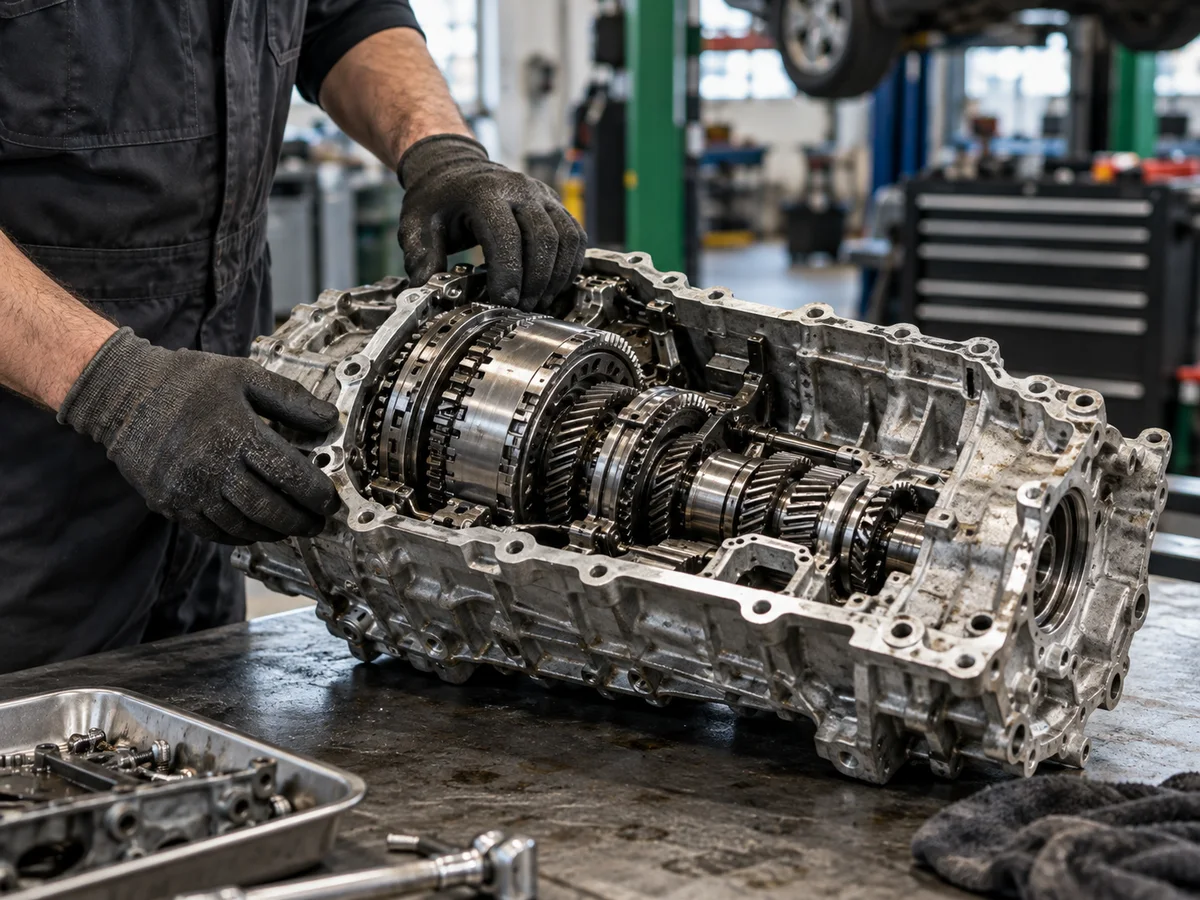
Common gearbox symptoms
A symptom does not confirm a particular fault. Share what the car does, when it happens and any information a workshop has already provided.
A change in revs, drive or gear hold is useful to describe in your own words.
Explain if Drive, Reverse or a selected gear takes time to engage.
Share when the movement happens and whether it is occasional or repeated.
Whining, grinding or clunking sounds can be included as reported symptoms.
Mention any transmission warning, dashboard message or known fault code.
Tell the team if the vehicle remains in one gear or will not select a gear.
A vehicle with little or no drive can still be submitted for a valuation.
Choose with the full picture
A valuation gives you another reference point before you commit to diagnosis, parts or gearbox work.
Repair
May suit a vehicle in otherwise good condition where the likely work is understood and proportionate.
Sell as-is
Request a valuation using the car’s current gearbox condition and decide after the review.
Potential scrap route
May be discussed for an end-of-life car with transmission failure and other serious issues.
Current-condition review
No single gearbox symptom produces a fixed price. The review combines the vehicle details, overall condition and practical collection information.
Value my car as it isMake, model, year and mileage provide the starting context.
What happens, when it happens and any existing diagnosis help clarify condition.
Whether the engine starts and the vehicle can move, roll or steer matters.
Body, interior, tyres and other mechanical faults are reviewed together.
Registration, ownership, finance or restrictions may affect the practical route.
Parking position and recovery access are relevant if collection is appropriate.
Useful details to share
The symptoms can present differently. Describe what you experience rather than treating it as a confirmed technical diagnosis.
Clutch, electronics and other components can produce similar symptoms. A workshop diagnosis is helpful when available, but it is not required to request a valuation.
Non-running and limited mobility
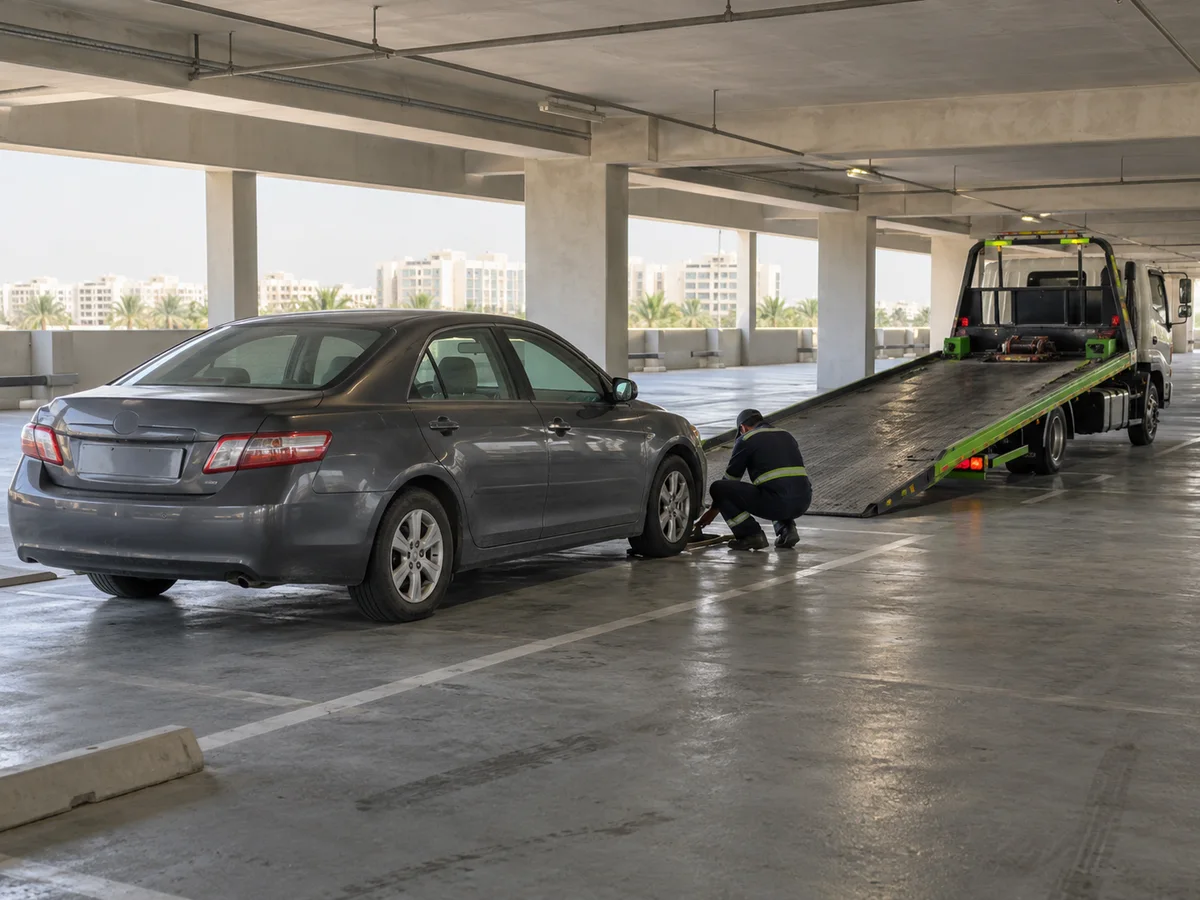
Gearbox trouble can leave a vehicle moving normally, moving only a short distance or unable to drive. The practical details help shape any collection discussion.
How valuation works
Choose the make, model and year.
Share what happens and any known history.
Condition and practical details are considered.
Discuss sale and collection if appropriate.
UAE vehicle collection
Supported locations cover the UAE. Collection remains subject to the vehicle’s mobility, access, status and the agreed next route.
40 covered locations
13 covered locations
6 covered locations
Relevant guides
Explore existing Wix guides about vehicle condition, valuation and practical next steps.
Questions answered
Yes. Request a valuation using the vehicle details, then explain the symptoms and any diagnosis you already have. The vehicle can be considered in its current condition.
No. You can start with the vehicle as it is and compare a repair route with selling as-is before authorising further work.
Describe any slipping, delayed engagement, jerking, unusual noise, warning lights, stuck gears or loss of drive. These are reported symptoms, not a confirmed diagnosis.
Yes. Explain whether the engine starts, whether the vehicle rolls or steers, where it is parked and whether a recovery vehicle can reach it.
The useful details can differ, but either type can be submitted. Share the gearbox type, symptoms, mobility and any repair history you know.
Collection can be discussed across supported UAE locations. Feasibility depends on the vehicle condition, mobility, parking position and access.
Start with the car as it is
Share the vehicle details now, then describe the symptoms and mobility directly with the team.


